Tablet & Capsule Blister Packaging: Alu‑PVC, Cold‑Form Alu‑Alu & Strip Pack Machine Selection Guide
Solid‑dosage pharma production blog | Practical reference for pharmaceutical manufacturing & equipment procurement |
In solid‑dosage pharmaceutical manufacturing, blister‑style unit‑dose packaging is the dominant solution for tablets and capsules. Many pharma process engineers and procurement teams get confused when evaluating Alu‑PVC thermoform blister, cold‑form Alu‑Alu blister, and strip pack (Soft Dual‑Alu). Though frequently grouped together, these three packaging technologies differ significantly in working principle, barrier performance, material cost and capital expenditure. Making an inappropriate selection may compromise drug shelf‑life and generate unnecessary production costs.
Based on real‑world operating conditions of flat‑plate blister packaging machines, this article compares the three packaging formats across four core dimensions: technical principle, suitable drug applications, packaging material costs and machinery investment, delivering actionable insights for pharma manufacturers.
1. Core Technical Principles & Key Differences
Strip pack (Soft Dual‑Alu) is often misclassified as cold‑form Alu‑Alu blister, yet their operating mechanisms are entirely different.
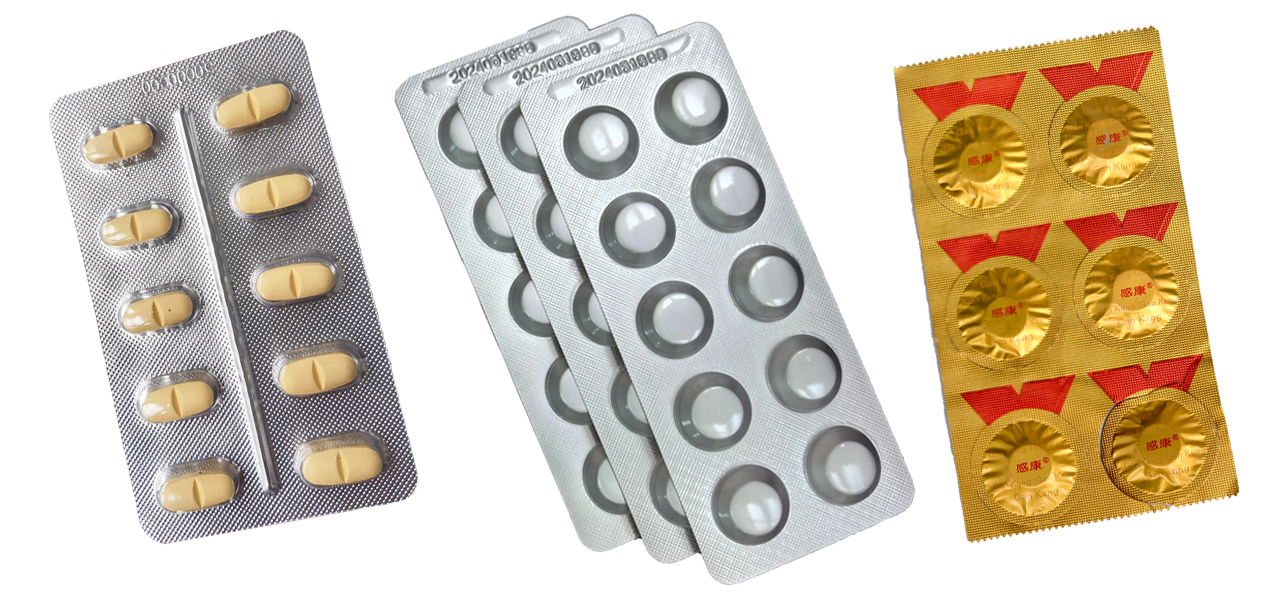
✅ Alu‑PVC Thermoform Blister (Classic mainstream solution, also known as PTP blister)
PVC rigid film is heated and thermoformed to create blister cavities. After tablets or capsules are fed into cavities, pharmaceutical PTP aluminium lidding foil is heat‑sealed onto the formed PVC web.
• Pros: Low material & equipment cost, high production throughput. Transparent cavities enable visual identification of tablets or capsules by end‑users.
• Cons: PVC offers limited moisture and oxygen barrier performance; only suitable for conventional pharmaceutical products.
• Typical punching rate for flat‑plate machines: 20‑40 strokes per minute; practical commercial production normally runs ≤35 strokes per minute.
✅ Cold‑Form Alu‑Alu Blister (Hard dual‑alu for trade listings|High‑barrier cold‑stamping solution)
Adopting cold‑forming technology, multi‑layer composite cold‑form aluminium foil is stamped at ambient temperature to form rigid three‑dimensional blister cavities, and then heat‑sealed with aluminium lidding foil.
• Pros: Full‑aluminium construction delivers industry‑leading barrier against moisture, oxygen and light. Since cold‑stamping runs without heat input, active ingredients of heat‑sensitive drugs are well‑protected.
• Cons: Thick cold‑form aluminium foil leads to relatively higher packaging material expenses.
✅ Strip Pack (Soft Dual‑Alu|Flat sandwich‑style packaging)
No three‑dimensional blister cavity is produced. Two flexible aluminium foils are directly heat‑pressed together, sandwiching tablets between two foil webs. Finished outputs are flat strips or sheets.
• Pros: Excellent moisture & light barrier properties; compact and lightweight packs help save carton space for downstream secondary packaging.
• Cons: Seal integrity is highly sensitive to heat‑sealing parameters. Heat generated during sealing can transfer directly to pharmaceutical products and introduce thermal‑exposure risks. Flexible strip packs also bring higher jamming risks during cartoning processes.
2. Matching Packaging Solutions to Drug Properties
Top rule for packaging selection: Prioritise drug stability study data. Evaluate product sensitivity to light, moisture and oxygen before considering cost budgets.
Alu‑PVC Thermoform Blister | First‑choice for most conventional solid dosages
Best applications: Regular tablets, sugar‑coated tablets, standard hard capsules and general‑purpose drugs without extreme light, moisture or oxygen sensitivity.
Many generic medicines under national pharmaceutical tender programs adopt Alu‑PVC PTP blister packaging with PVC rigid film and PTP aluminium foil.
If stability testing can guarantee required shelf‑life, Alu‑PVC thermoform blister brings the best overall cost‑efficiency. 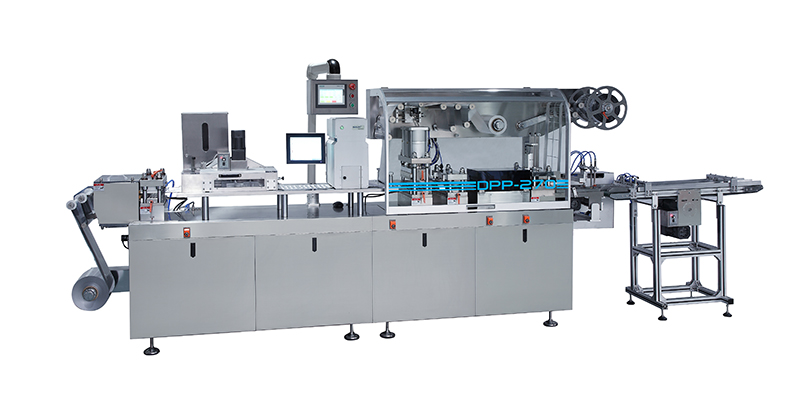
|
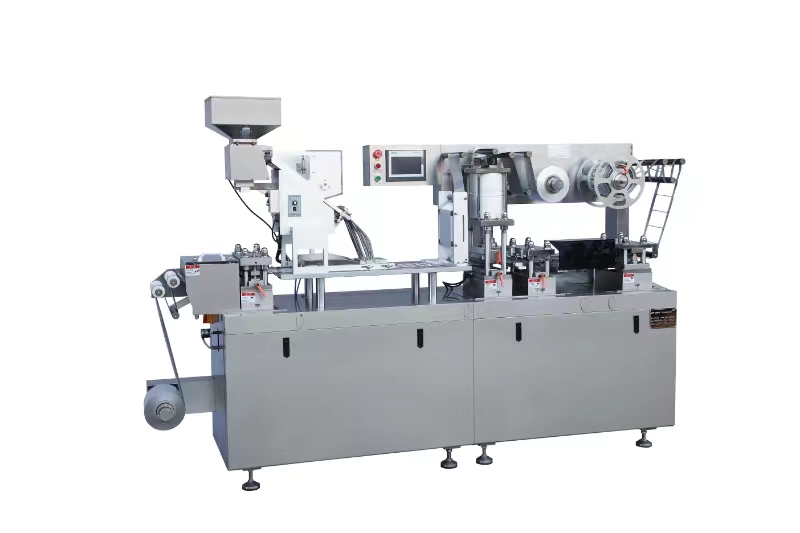
Cold‑Form Alu‑Alu Blister | High‑security protection for sensitive pharmaceuticals
Best applications:
‑ Light‑sensitive drugs: vitamins, selected cardiovascular preparations
‑ Moisture‑sensitive drugs: antibiotics, probiotics
‑ Oxygen‑sensitive drugs: antioxidant formulations, certain oncology medicines
‑ Highly hygroscopic goods including effervescent tablets
‑ Pharmaceutical products exported to hot‑humid tropical regions
Ambient‑temperature cold‑forming avoids thermal degradation of actives, providing reliable high‑level protection for high‑value and highly‑sensitive drug products.
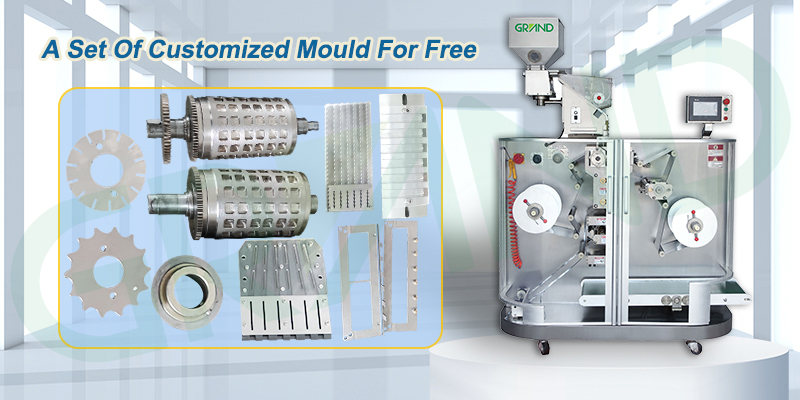
Strip Pack (Soft Dual‑Alu) | Flat strip‑style full‑aluminium sealing
Best applications:
‑ Highly hygroscopic products such as effervescent tablets
‑ Generic drugs and nutraceuticals requiring full aluminium barrier while controlling packaging material costs
Strip packs feature compact, portable finished units. Note that extra commissioning work is required for cartoning equipment to reduce pack‑jamming failures.
Key takeaway: Complete stability assessment first. Deploy Alu‑PVC thermoform blister whenever feasible. Upgrade to cold‑form Alu‑Alu blister or strip pack only when enhanced barrier performance is demonstrated as necessary. |
3. Packaging Material Cost Comparison (2026 market reference, identical tablet dimension)
Material cost ranking: Alu‑PVC thermoform blister < Strip pack (Soft Dual‑Alu) < Cold‑Form Alu‑Alu blister
1. Alu‑PVC Thermoform Blister — Lowest material cost
Cost‑effective PVC rigid film (\15 CNY/kg) is combined with thin 0.024 mm PTP aluminium lidding foil (\45 CNY/kg). Low material consumption per unit creates obvious cost advantages under mass‑production conditions.
1. Strip Pack (Soft Dual‑Alu) — Mid‑range material cost
Two thin aluminium foils are heat‑bonded. Thick forming‑grade aluminium web for 3D blister cavities is not required, which greatly cuts aluminium consumption compared with cold‑form Alu‑Alu blister, yet costs are still higher than Alu‑PVC thermoform blister.
2. Cold‑Form Alu‑Alu Blister — Highest material cost
Cold‑form forming aluminium web with thickness ranging from 40‑65 μm is mandatory, which is 2‑3 times thicker than ordinary PTP lidding foil. The material must combine high ductility and structural rigidity and cannot be substituted by thin‑gauge foil. One extra aluminium lidding web further increases aluminium consumption.
Core principle: Packaging material costs rise with aluminium foil thickness and total aluminium usage. Alu‑PVC thermoform blister realises cost savings by replacing one aluminium layer with PVC polymer film. |
4. Flat‑Plate Blister Machinery Capital Investment Reference
(Production capacity: 20‑35 strokes/min, FOB price reference)
Packaging Type | Reference FOB Price Range | Key Cost Drivers |
Alu‑PVC Thermoform Blister | 5,000-25,000 | Simple thermoforming structure, low mould expenditure |
Strip Pack (Soft Dual‑Alu) | 15,000-30,000 | Heat‑press mechanism; high requirements for web feeding and punching control systems |
Cold‑Form Alu‑Alu Blister | 6,000-28,000 | Heavy‑duty cold‑forming moulds, reinforced machine frame; mid‑high‑end pharma‑grade configurations can reach $35,000 |
Equipment cost ranking: Alu‑PVC thermoform blister < Cold‑Form Alu‑Alu blister < Strip pack (Soft Dual‑Alu)
• Standard DPP‑320 Alu‑PVC thermoform blister machine: FOB reference price $23,000. It runs stably within 20‑35 strokes/min with sufficient mechanical safety margin.
• DPP‑320 cold‑form Alu‑Alu blister machine base configuration: FOB 28,000. Maximum cold‑forming depth reaches 12 mm with positioning accuracy ±0.05 mm. Prices increase for mid‑to‑high‑spec pharma‑oriented configurations.
• NSL‑350 strip packing machine: FOB reference price $29,000, punching rate adjustable from 10‑50 strokes/min. Higher capital outlay delivers compact finished packs to shrink carton dimensions. Nevertheless, flexible strip packs demand careful tuning for downstream cartoning workflows.
✨ Dual‑function machine solution: MIGRAND Machinery blister equipment supports both Alu‑PVC thermoform and cold‑form Alu‑Alu blister production. Operators only need to switch the forming module, removing the requirement for two separate machines and lowering total capital investment. |
5. Practical Selection Recommendations for Pharma Manufacturers
1. Maximise overall cost‑efficiency → Choose Alu‑PVC Thermoform Blister
Low machine investment, low consumable cost and fast throughput. Only apply to non‑sensitive solid‑dosage products with validated stability performance.
2. Light / moisture / oxygen‑sensitive drugs, tropical export markets, heat‑sensitive active ingredients → Choose Cold‑Form Alu‑Alu Blister
Ambient‑temperature cold‑stamping plus full high‑barrier aluminium construction offers a reliable solution for high‑value sensitive pharmaceuticals. Moderate machine cost is offset by higher blister‑material expenditure.
3. Full‑aluminium barrier required, compact carton footprint preferred, flat strip format acceptable → Choose Strip Pack (Soft Dual‑Alu)
Lower blister‑material cost compared with cold‑form Alu‑Alu blister, yet higher machine purchase cost. Prepare for extra commissioning on cartoning stations. Well‑suited for effervescent tablets, selected nutraceuticals and generic medicines.
Core selection philosophy: There is no universally “best” packaging solution — only the most suitable option.
Base your decision primarily on drug stability study results, combine with commercial cost budgets, then finalise packaging format and machine specifications.
Are you planning your solid‑dosage production line and evaluating blister & strip‑pack packaging equipment? Contact us for technical assessment, custom machine layouts and detailed quotations. |
Suggested FAQ snippets
Q: What is the difference between thermoform blister and cold‑form blister?
A: Alu‑PVC thermoform blister uses heat to shape PVC film. Cold‑form Alu‑Alu blister stamps aluminium foil under ambient temperature for superior barrier protection. |
Q: Strip pack vs cold‑form alu‑alu blister: which for effervescent tablets?
A: Both deliver high moisture barrier. Cold‑form Alu‑Alu creates rigid blister cavities; strip pack produces flat sandwich‑style packs with higher cartoning jamming risk. |
Q: How to select pharmaceutical blister packaging machine?
A: Start with drug stability test data for light‑moisture‑oxygen sensitivity, then evaluate material cost and equipment capital budget. |

 English